
Ankle Pain
Ankle pain can limit your ability to walk, work, or stay active. At Stride Footcare, we specialise in diagnosing and treating a wide range of ankle conditions—from common sprains to more complex biomechanical issues like Posterior Tibial Tendon Dysfunction (PTTD) and foot drop. Our goal is to get you moving confidently and comfortably again.
Common Causes of Ankle Pain
Lateral & Medial Ankle Sprains
These occur when the ligaments on either side of the ankle are stretched or torn.
Lateral sprains are more common and often involve the ATFL (anterior talofibular ligament), or CFL (calcaneofibular ligament)
Medial sprains affect the deltoid ligament complex on the inside of the ankle.
Proper rehab is essential to prevent long-term instability.In severe cases, you may experience an avulsion fracture, where the tip of the fibular bone is fractured away from the main part of the bone
Posterior Ankle Impingement
Often experienced as pain at the back of the ankle when pointing the toes.
Common in athletes and dancers, it can be caused by soft tissue entrapment or a bony block like an Os Trigonum.
Posterior Tibial Tendon Dysfunction (PTTD)
This condition affects the posterior tibial tendon, which supports the arch of your foot.
PTTD can cause pain, swelling, and a progressive flattening of the arch, leading to ankle and foot instability.
If untreated, it may result in adult-acquired flatfoot and arthritic changes.
Accessory Bones
Extra bones like the Os Trigonum or Accessory Navicular can cause pain or instability, especially during repetitive activity. These are usually identified with imaging.
Foot Drop
Foot drop is the inability to lift the front of the foot, causing dragging while walking. It can be caused by:
Peroneal nerve injury
Neurological conditions like stroke, MS, or cerebral palsy
Muscle weakness or paralysis
This condition can significantly affect balance and safety when walking.
What to Expect at Your Appointment
At Stride Footcare, we offer comprehensive assessments to identify the root cause of your ankle symptoms:
Thorough history and symptom discussion, outline your goals
Biomechanical and gait assessment
Joint mobility, strength, and balance testing
Footwear review and recommendations
Referral for imaging (e.g. X-ray, ultrasound, MRI) if required
Treatment Options
Your care plan will be personalised to your condition and goals. We offer:
Rehabilitation & Strengthening - Custom rehab programs improve muscle balance and ankle stability.
Footwear & Orthotics - Supportive footwear and custom foot orthotics help correct biomechanics, especially in cases of PTTD or chronic sprains.
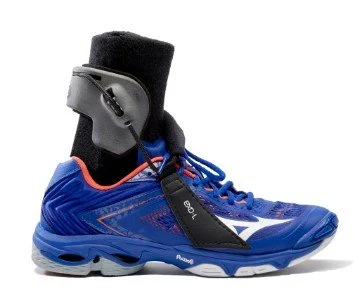
AFOs & Bracing - We offer advanced bracing options for more complex cases:
AFO (Ankle-Foot Orthosis) for foot drop, PTTD, or severe instability
EXO-L brace for recurrent ankle sprains or ligament instability
EXO-UP brace for foot drop, helping maintain foot clearance during walking
Taping & Immobilisation - Short-term support may be provided with taping, cam boots, or bracing, depending on the severity of your injury.
Shockwave Therapy - Used for chronic tendon issues and soft tissue injuries that haven’t responded to traditional treatment.
If needed, we collaborate with GPs, orthopaedic surgeons, and physiotherapists for imaging or specialist input.
When to See a Podiatrist
Book an assessment if your leg pain is:
Ongoing
Affecting your daily mobility or activity
Worse with walking, running, or standing
Associated with foot or ankle discomfort
Causing changes in posture, gait or balance